Robots that see, act and decide
Sweden is home to world leading industrial companies, cutting-edge research, and a rapidly growing ecosystem in robotics and AI. But technological progress is moving faster than policy, making it more important than ever for industry, policymakers, and investors to come together. The question is no longer if manufacturing will change, but how Sweden can lead that transformation.
The next industrial revolution is not being driven by chatbots. It is being driven by robots trained in simulation, deployed in real-world production, and increasingly capable of making decisions without humans in the loop. Autonomous systems are transforming assembly lines, logistics, and process industries and Sweden has every opportunity to be at the forefront.
Yet too many promising innovations never make it beyond the pilot stage. Critical expertise is unevenly distributed, while access to test environments, capital, and cross-sector collaboration remains limited. At the same time, fundamental questions around data ownership, accountability, and the value of human–machine collaboration are still unresolved. When AI makes operational decisions, who is responsible?
Physical AI is reshaping industrial production faster than regulation, policy, and leadership can keep pace. As countries around the world accelerate automation, Sweden risks losing its competitive edge. What will it take, in policy, technology, investment, and leadership, to ensure the Swedish industrial model not only adapts, but sets the pace? And what does it take to lead in an era where Physical AI becomes the new industrial standard?
In collaboration with
Participants
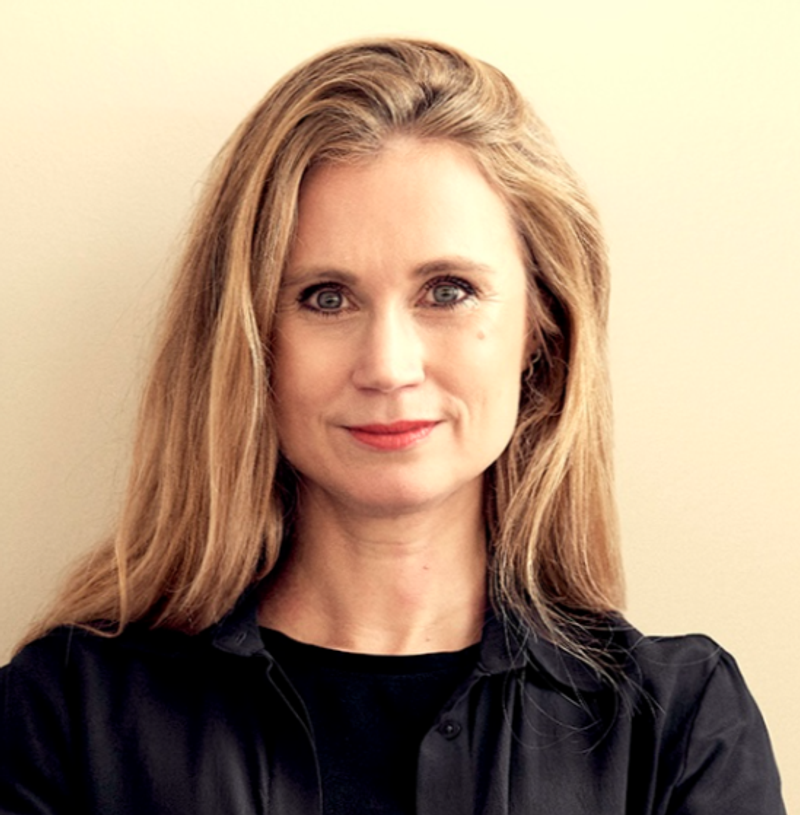



Moderator
 Esbjörn GuwalliusIndustrial Loop - Reporter and Editor
Events at conference
The jobs that didn’t exist three years ago
How do we solve the industry’s skills shortage?

Jacob Stedman
Blykalla
Jacob Stedman (Blykalla): The Road to Commercial Nuclear Power in Europe
Jacob Stedman (Blykalla): The Road to Commercial Nuclear Power in Europe
A smarter, more flexible grid
What will it take to reduce the need for new grid investments?